
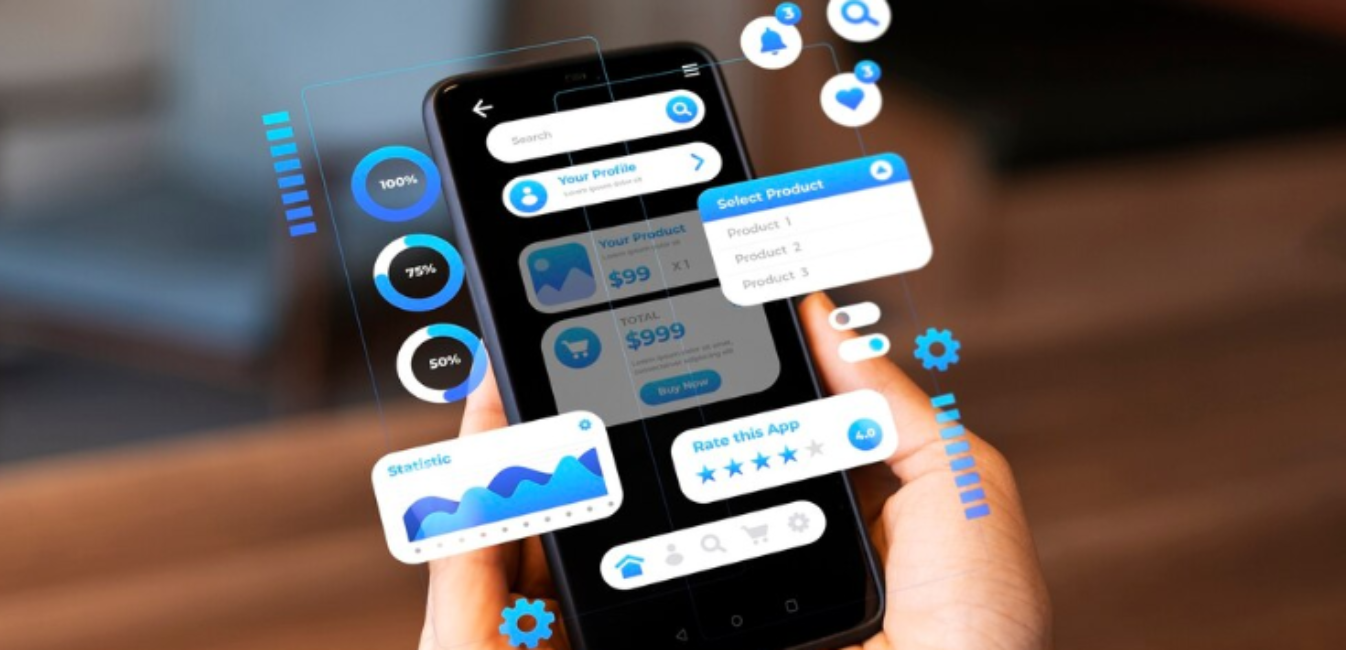
Mobile apps are no longer optional for businesses. In 2026, customers expect fast, secure, and easy-to-use mobile apps for almost everything - shopping, banking, healthcare, education, entertainment, and daily services.
If your business does not have a mobile app, or your app feels slow or outdated, users will simply move to a competitor.
This guide explains mobile app development in 2026 in simple terms. You’ll understand:
- What mobile app development really means
- The difference between iOS and Android apps
- Latest app development trends
- Best technologies to use
- How businesses should plan app development in 2026
1. Why Mobile App Development Matters in 2026
Mobile apps remain the dominant way users interact with digital services. Businesses that don’t build or optimize apps in 2026 will increasingly lose out on engagement, data insights, revenue, and customer loyalty.
Key facts you need to internalize:
- Android still dominates global market share, while iOS users spend significantly more per user.
- Users expect speed, reliability, privacy, and personalization - not just flashy features.
So the real question isn’t “do you need an app?” - it’s what kind of app will survive in 2026 with user expectations?
2. iOS vs Android App Development: Key Differences
Understanding the difference helps you make better decisions.| iOS App Development | Android App Development |
|---|---|
| Built mainly using Swift | Built mainly using Kotlin |
| Runs on iOS devices only | Runs on many devices and brands |
| Users usually spend more money | Larger global user base |
| Very strict App Store rules | Faster approval process |
| Strong focus on privacy and performance | More customization options |
Best For:
| Best For:
|
iOS App Development
- Built mainly using Swift
- Runs on iOS devices only
- Users usually spend more money
- Very strict App Store rules
- Strong focus on privacy and performance
- Premium products
- Subscription-based apps
- Finance, healthcare, and enterprise apps
Android App Development
- Built mainly using Kotlin
- Runs on many devices and brands
- Larger global user base
- Faster approval process
- More customization options
- Mass-market apps
- Emerging markets
- E-commerce and on-demand services
Actionable recommendation:
If your business depends on revenue per user, prioritize iOS first; if your goal is user base scale or global reach, lead with Android.
In 2026, both platforms must be treated as strategic products, not technical checkboxes.
3. Types of Mobile App Development Approaches
Choosing the right app development approach is critical. The wrong choice can waste time, inflate costs, and limit your app’s growth.Native App Development
Native app development means building separate apps for iOS and Android using platform-specific technologies. This approach delivers the best performance, smoothest user experience, and full access to device features. However, it also comes with higher development and maintenance costs because two codebases must be managed.- Separate apps for iOS and Android
- Best performance and user experience
- Higher development cost
Best for:
- Gaming apps
- High-performance apps
- Feature-heavy platforms
Cross-Platform Development
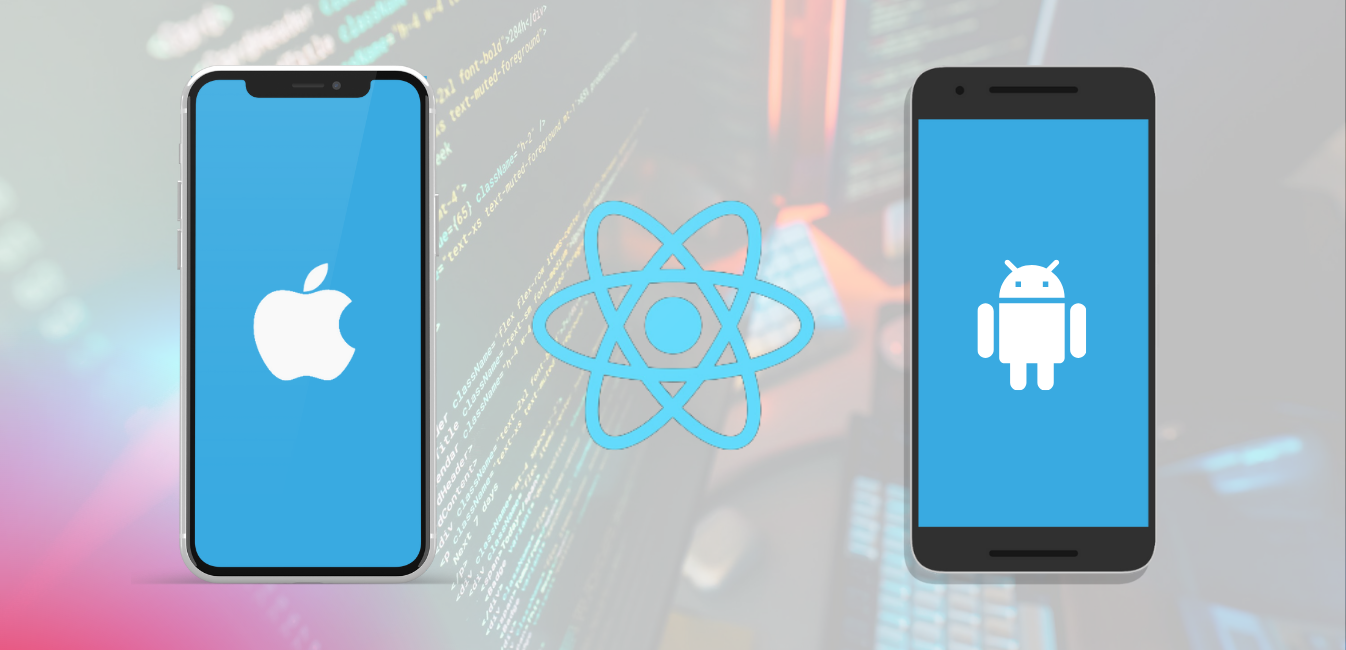
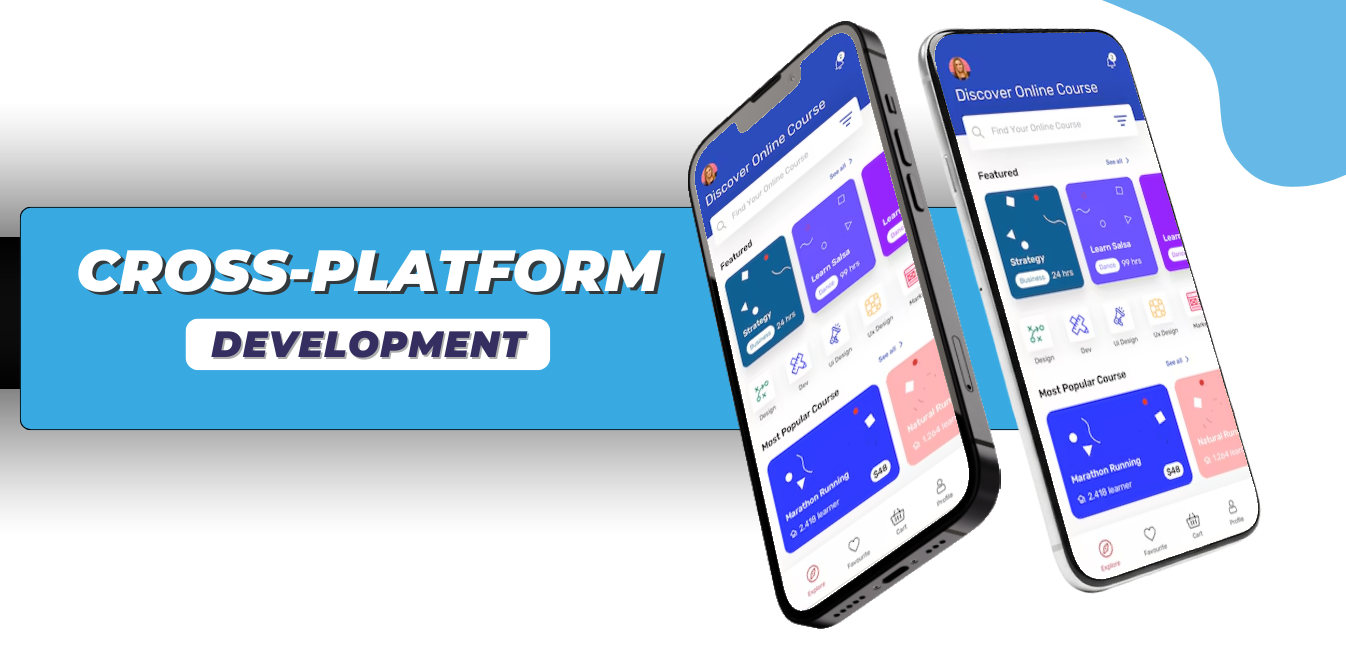
Cross-platform development allows businesses to build one app that runs on both iOS and Android. This approach reduces development time, lowers costs, and makes updates easier to manage. While there may be some limitations for very advanced features, most modern business apps work perfectly well with this method.Best for:
- Startups
- Business apps
- MVPs and scalable products
Low-Code / No-Code Development
Low-code and no-code platforms enable rapid app development with minimal coding. These tools are useful for building apps quickly but offer limited customization and scalability. They are not suitable for complex or large-scale applications.Best for:
- Internal tools
- Simple MVPs
- Quick testing ideas
4. Latest App Development Trends You Can’t Ignore in 2026
Ignoring trends is expensive. Following the wrong ones is even more. In 2026, only a few trends actually matter, and these are the ones shaping successful mobile apps.Below are trends that actually matter.
1. AI-Powered Mobile Apps
Artificial Intelligence is no longer optional or experimental. It has become a normal part of modern app development.Apps now use AI to personalize content for users, suggest relevant products or actions, power chatbots and voice assistants, predict user behavior, and detect fraud or suspicious activity. These features help apps feel smarter and more responsive instead of static.
In 2026, apps that do not use AI in practical ways feel outdated and fail to meet user expectations.
2. Cross-Platform App Development
Businesses want to launch apps faster and reduce development costs without sacrificing quality. This is why cross-platform development continues to grow.Frameworks like Flutter, React Native, and Kotlin Multiplatform allow developers to use a single codebase for both iOS and Android. This makes development quicker, simplifies updates, and reduces long-term maintenance.
That’s why cross-platform development is growing.
Popular frameworks:
- Flutter
- React Native
- Kotlin Multiplatform
- One codebase for iOS and Android
- Faster app launch
- Easier maintenance
However, for apps with very complex features or heavy performance needs, native development may still be the better choice.
3. Privacy and Security First
Users are far more aware of how their data is collected and used. In 2026, trust is a major factor in whether users keep or delete an app.Modern apps must collect only essential data, clearly explain why permissions are needed, use strong encryption, support biometric login, and follow global data protection laws. Security is no longer something to fix later - it must be built in from the start.In 2026, apps must:
- Collect only necessary data
- Explain why permissions are needed
- Use encryption
- Support biometric login
- Follow global data protection laws
Apps that fail to respect privacy lose user trust and often lose visibility in app stores.

4. Super Apps and Multi-Feature Apps
Instead of downloading many small apps, users increasingly prefer one powerful app that does multiple things.Super apps combine features like payments, shopping, messaging, service booking, and user accounts in a single platform. This reduces friction for users and keeps them engaged longer.
By offering more value in one place, these apps reduce uninstall rates and increase daily usage.
5. Apps for Multiple Devices
Mobile apps are no longer limited to smartphones. Users now expect apps to work smoothly across different devices.Modern apps support smartphones, smartwatches, tablets, smart TVs, and other wearable or IoT devices. The experience should feel connected and consistent across all screens
In 2026, a seamless multi-device experience is not a bonus - it’s an expectation.
5. Common Mistakes Businesses Still Make
Many businesses still make the same avoidable mistakes when building mobile apps, and in 2026 these mistakes are far more damaging than before.One common mistake is trying to build too many features at the beginning. Instead of focusing on the core problem the app is meant to solve, teams overload the app with unnecessary features. This makes the app complex, slow, and confusing, which pushes users away.
Another major issue is ignoring user feedback. Businesses often assume they know what users want, but real users quickly reveal usability problems, bugs, and missing features. When feedback is ignored, uninstall rates increase and ratings drop.
Delaying security decisions is also a serious problem. Some teams treat security as something to fix later, but in 2026 users expect strong data protection from day one. Weak security damages trust and can lead to legal and compliance issues.
Many apps fail because companies copy competitors instead of solving a real problem. Copying features without understanding user needs results in apps that feel generic and provide no clear reason to choose them.
Finally, some businesses treat mobile apps as a side project instead of a core part of their strategy. Without ongoing updates, performance improvements, and support, apps quickly become outdated and irrelevant.
In 2026, users have endless options. Apps that repeat these mistakes don’t last long.
Final Thoughts
Mobile app development in 2026 is no longer about chasing trends or adding flashy features. It’s about delivering real value to users.Apps that succeed are built to solve real problems, not just to look good. They are fast, secure, and simple to use, because users won’t tolerate delays, crashes, or confusing designs. AI is used carefully to improve the experience, not to impress. User privacy is treated as a responsibility, not an afterthought, and the app keeps improving based on real usage and feedback.
If your app strategy puts technology, trends, or competitors ahead of users, it will fail. In 2026, no algorithm update, marketing push, or redesign can save an app that people don’t genuinely find useful.